



Brand activations have become the cornerstone of how major corporations connect with audiences in meaningful ways. Unlike traditional advertising, a well-executed brand activation creates a direct, immersive experience that builds emotional connection and generates genuine word-of-mouth momentum. In Toronto's competitive market, the difference between a forgettable pop-up and a landmark experience comes down to one thing: professional AV production that transforms creative concepts into reality.
At bb Blanc, we've produced hundreds of brand activations across Toronto—from retail environments and public spaces to private venues and festival grounds. What we've learned is that the most successful brand activations aren't just visually impressive; they're strategically engineered to drive measurable business outcomes. The difference between a brand activation Toronto that generates real ROI and one that's merely decorative comes down to intentional technology choices and venue-specific planning. For organizations looking to understand the full spectrum of possibilities, our guide on how to plan audio visual for corporate conferences covers similar strategic principles.
This guide covers the technical, creative, and strategic dimensions of activation planning that separate high-impact brand activation Toronto experiences from the rest. We'll walk through AV technology selection, Toronto venue considerations, measurement frameworks, and the specific creative approaches that make activations work in the Toronto market.
What Brand Activations Look Like in 2026
The evolution of brand activations reflects broader shifts in consumer expectations and technology adoption. bb Blanc's production team has extensive experience in this area. Five years ago, a successful activation might have been a branded booth with some LED screens and a photo opportunity. Today's audiences expect interactivity, personalization, and shareability—which means AV technology isn't optional, it's foundational.
In Toronto's competitive market, brand activation Toronto has become more sophisticated. The city's diverse audiences, high foot traffic in commercial spaces, and growing concentration of tech companies means brands competing for attention need professional-grade AV technology to stand out. A brand activation Toronto that relies on outdated technology or generic experiences gets lost in the noise. The ones that succeed combine cutting-edge AV with clear strategic intent.
Modern brand activations typically include several key characteristics:
- Immersive environments built with projection, LED, and spatial design that surrounds the audience
- Interactive technology that responds to participant input (motion sensors, touch interfaces, mobile app integration)
- Data collection capabilities that track engagement metrics and inform post-activation reporting
- Social-first design that encourages content creation and amplification across platforms
- Branded narrative that communicates a clear message or product story, not just visual spectacle
- Toronto venue optimization recognizing that retail environments, public spaces, and festival grounds each require different technical approaches
The shift has been significant. Brands are no longer satisfied with an experience that looks good in photos. They want activations that influence purchasing behavior, build brand loyalty, and create lasting impressions. For a brand activation Toronto, this means the AV production infrastructure isn't decoration—it's the delivery mechanism for the entire brand message.
AV Elements That Power Experiential Marketing
The technical foundation of a successful activation rests on five core AV capabilities. bb Blanc's production team has extensive experience in this area. Each plays a specific role in creating engagement, controlling flow, and generating measurable impact.
Interactive Displays and Touch Technology
Interactive displays move an audience from passive observation to active participation. These typically take the form of:
- Large-format touchscreens (55" to 98" displays) mounted for standing interaction
- Multi-touch walls that respond to multiple simultaneous inputs, useful for game-like environments or product configurators
- Gesture recognition systems that respond to motion without physical contact
- Mobile integration where participants use their own phones to access features or customizations
The technical consideration here is responsiveness. Cheap touchscreens with 200ms latency feel broken. Professional-grade displays respond in 50-100ms, which creates the illusion of direct interaction. We spec commercial-grade displays with anti-glare coatings (essential in bright retail or outdoor environments) and redundant network connectivity.
Projection Mapping and Environmental Displays
Projection mapping transforms ordinary surfaces into dynamic visual storytelling environments. Common applications in brand activations include:
- Product projection mapping where a physical product is surrounded by video that reveals features, benefits, or context
- Wall-scale immersion where 40-60 foot walls become canvases for brand narratives
- Floor projection creating reactive environments where participants' movement triggers visual changes
- 3D projection mapping on complex sculptural elements that distort the projected image appropriately for depth
The technical requirement: alignment and brightness. Misaligned projections look amateurish. We use projection mapping software (typically Resolume or similar) with pinpoint calibration that accounts for keystoning, surface irregularities, and ambient light. Brightness specs matter enormously—even a well-designed projection looks washed out if the projector doesn't have sufficient lumens for the ambient environment.
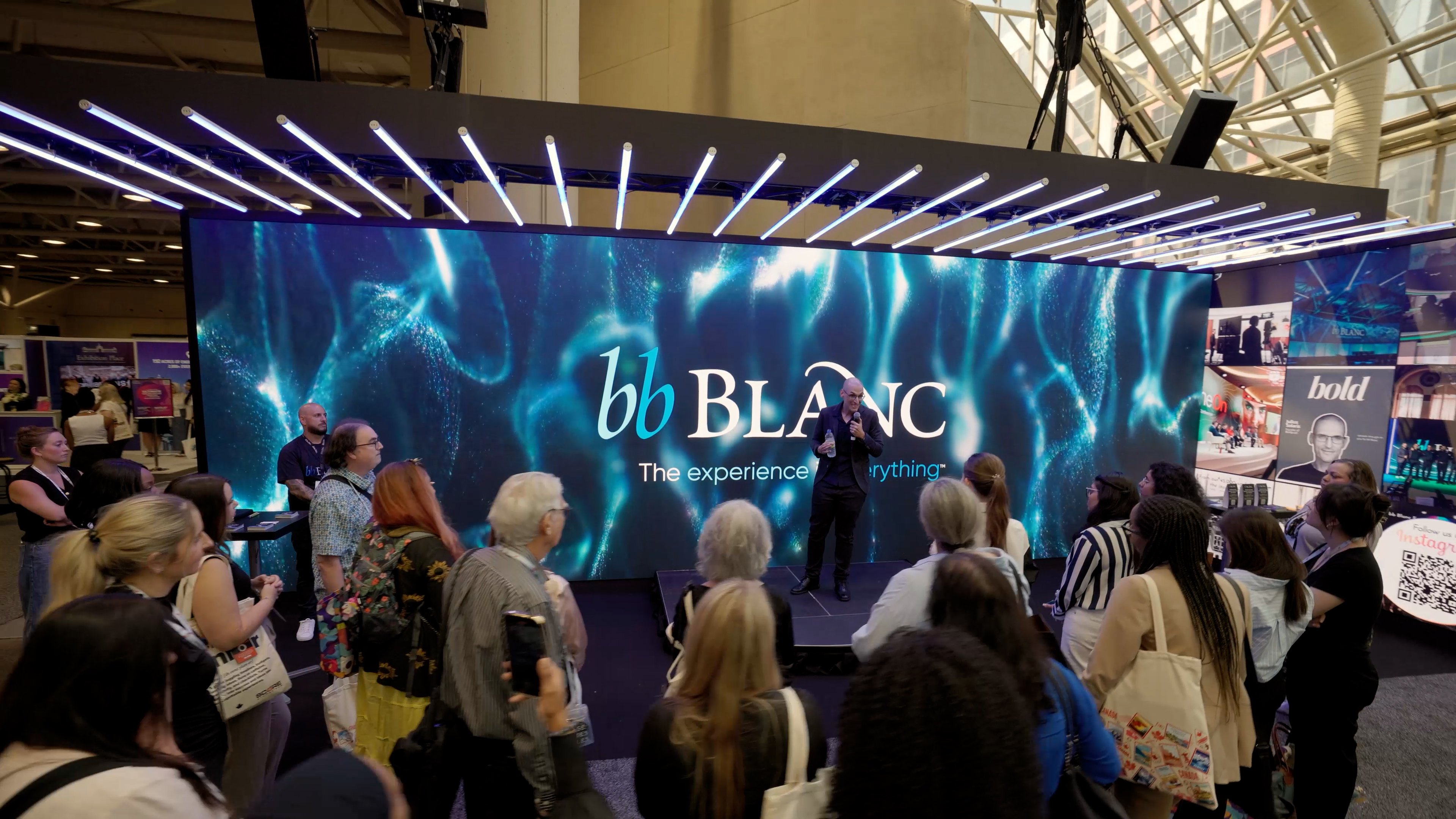
LED Installations and Video Walls
LED technology has democratized dynamic visual environments. Modern modular LED systems offer flexibility at multiple price points and configurations:
- Modular LED panels (2.6mm, 3.9mm, or 5.2mm pitch) that can be configured into any shape or size
- Transparent LED systems that create see-through displays without blocking sight lines
- Curved or cylindrical LED for environments where standard flat surfaces don't fit the aesthetic
- Outdoor-rated LED (IP65 or higher) with weatherproofing and brightness sufficient for sunlight visibility
- Rental-grade LED systems designed for temporary installations, making brand activation Toronto more cost-effective
For a brand activation Toronto, LED is often the best choice because it adapts to different venue environments. Retail spaces often have height constraints; LED's modular nature allows for custom configurations. Public outdoor spaces require bright, weather-resistant displays; outdoor-rated LED systems handle Toronto's weather challenges and variable sunlight.
The critical spec: pixel pitch. Tighter pitch (smaller numbers) means better resolution at closer viewing distances. A 5.2mm pitch LED looks pixelated from 3 feet away; a 2.6mm pitch looks crisp. We calculate required pixel pitch based on viewing distance and desired image quality. For most Toronto retail environments, 3.9mm or 2.6mm provides the sharpness needed for close-distance interaction.
Spatial Audio Systems
Audio is often the overlooked element in activations, but it's responsible for 40% of emotional impact. Proper spatial audio means:
- Zone-based sound design where different parts of the activation play different audio based on participant location
- 3D audio positioning using surround systems that place sound sources in space (not just left-right stereo)
- Sound isolation so activation audio doesn't bleed into adjacent activations or venue spaces
- Dynamic audio response triggered by participant interaction or movement through the space
Professional sound design in activations is about restraint. Overly loud or intrusive audio creates fatigue. Well-designed spatial audio pulls participants deeper into the narrative without feeling aggressive.
AR and VR Experiences
Augmented and virtual reality have matured into legitimate activation tools:
- Mobile AR (using existing devices) overlays digital content on the real world—participants use their own phones to see AR experiences
- Dedicated VR headsets for fully immersive experiences—useful for 30-60 second experiences (anything longer and guest comfort becomes problematic)
- AR magic mirror applications where participants see themselves transformed in real-time video
- Spatial computing for location-aware experiences that respond to physical position
AR typically delivers better ROI than VR in activations because it doesn't require equipment distribution and the learning curve is minimal. VR works best for specific narrative experiences where the immersion serves a clear storytelling purpose.
Measuring ROI on Brand Activations
The most important conversation we have with activation clients is about measurement framework. Too many activations are designed around "cool factor" with no mechanism to track business impact. Real ROI measurement starts before design begins.
The most impactful brand activations combine experiential creativity with event production Toronto technical precision. An LED wall Toronto installation can anchor an activation with dynamic content, while a tradeshow LED wall Toronto setup draws foot traffic on exhibition floors. For exhibition booth LED wall applications, modular panels allow rapid reconfiguration between events. Measuring activation ROI starts with clear KPIs tied to the technology investment.
Define Success Metrics Upfront
Successful activations track multiple dimensions:
- Engagement metrics: Duration of interaction, number of people who participate, repeat visitors
- Content metrics: Photos shared, hashtag mentions, video views of user-generated content
- Lead generation: Email captures, sign-ups, product interest submissions
- Sentiment analysis: Social listening on activation hashtags and mentions (positive vs. negative sentiment)
- Sales impact: If applicable, correlation between activation traffic and subsequent purchase behavior
We recommend selecting 3-4 key metrics that align directly with campaign objectives. Tracking everything is noise. Tracking the right things tells a story.
Technical Data Collection Infrastructure
The AV production must include systems to capture engagement data:
- RFID or NFC tokens that participants tap at interaction points (creates a data trail of their journey through the activation)
- Mobile app integration where visitors check in or access content (provides verified engagement data)
- Video analytics software that counts and tracks participant movement and behavior
- Polling and survey systems embedded in interactive displays (immediate feedback collection)
We typically recommend a hybrid approach: passive tracking (analytics, video counting) combined with active engagement (RFID, mobile app) for the most valuable insights.
Post-Activation Reporting
The best activations include a comprehensive report delivered 2-3 weeks after the event. This should include:
- Total unique visitors and repeat rate
- Average engagement duration by zone
- Social media sentiment analysis and reach estimate
- Content capture volume and quality assessment
- Technical performance notes and issues encountered
- Recommendations for future optimization
These reports require planning during the design phase. The data infrastructure has to be built in, not bolted on afterward.
Advanced AV Technology for Enhanced Measurement
For brand activation Toronto specifically, advanced AV systems enable measurement capabilities that offline-only experiences can't match. We increasingly see clients combining multiple data streams:
Video analytics integration: Computer vision systems analyze participant flow, dwell time by zone, and emotional engagement (analyzing facial expressions from video feeds). This creates a spatial heat map showing where people spend time and which elements capture attention. This data informs both real-time optimization during the activation and post-activation reporting.
Biometric and physiological feedback: Some high-end activations use wearable sensors or built-in sensors to measure physiological response (heart rate increases at certain moments, stress levels, engagement spikes). This data correlates with AV triggers—which video content, which music cues, which lighting transitions drive measurable physiological response.
Cross-channel attribution: By connecting activation data (foot traffic, interaction, lead capture) with subsequent digital behavior (website visits, email opens, social media engagement, eventual purchase), brands can draw direct lines from brand activation Toronto experience to downstream business outcomes.
These measurement layers transform a brand activation Toronto from a one-off creative moment into a feedback system that informs future activations and demonstrates clear ROI to stakeholders.
Toronto Venues and Public Spaces for Activations
Toronto offers diverse activation environments, each with specific technical requirements and audience demographics.
Retail and Shopping Environments
Toronto's major shopping destinations (Toronto Eaton Centre, Yorkdale, Bloor Street) host seasonal and short-term activations. Technical considerations:
- Limited power infrastructure in some retail spaces (requires generator backup)
- Shared network connectivity (activations need dedicated WiFi)
- Existing lighting that may interfere with projection or LED work
- Strict venue insurance and structural load limitations
Public Spaces and Plazas
Nathan Phillips Square, Yonge-Dundas Square, and similar spaces offer high-traffic exposure:
- Outdoor weather protection requirements (water resistance, wind loading for LED)
- Bright ambient light challenges (requires high-brightness LED and projection)
- 24/7 noise restrictions (audio systems must comply with bylaw limits)
- Accessibility requirements for public spaces
Hotel and Convention Venues
Fairmont Royal York, InterContinental, and similar venues host brand activations within larger events:
- High-quality power and network infrastructure available
- Professional technical support from venue AV departments
- Climate-controlled environments (projection, LED, and electronics operate optimally)
- Flexible load-in and load-out windows
Festival and Event Venues
Scotiabank Arena, BMO Field, and similar venues used for festivals and pop-ups offer:
- High ceiling heights suitable for large-scale projection
- Existing lighting and sound infrastructure that can be integrated
- Established audience flow patterns
- Professional-grade utility infrastructure
Toronto-Specific Venue Challenges and Solutions
Every Toronto venue presents unique considerations for brand activation Toronto production:
Eaton Centre and enclosed retail spaces: Multiple levels, varied ceiling heights, and pre-existing retail lighting create challenges for projection and LED. Solutions: prioritize LED over projection, ensure high brightness specs (LED systems rated for retail lighting), plan for network access through secure WiFi channels, coordinate with retail management on access and operating hours.
Yonge-Dundas Square and outdoor public spaces: High foot traffic, variable weather (Toronto weather can shift quickly), and 24-hour accessibility mean activations need robust outdoor-rated AV. Solutions: use IP65-rated LED with extra brightness redundancy, build in weather contingency (what if rain comes during the activation?), design for multiple activation periods throughout the day (rush hour patterns differ), coordinate with Toronto Parks & Forestry for electrical and structural requirements.
Venue seasonal variations: Toronto's climate means winter activations need indoor venue coordination while summer offers outdoor options. Brand activation Toronto in winter often requires controlled-environment venues; summer allows street-level and outdoor public spaces. Plan AV specifications accordingly—winter venues have climate control that protects equipment; outdoor summer activations need extra protection.
Technical infrastructure in Toronto venues: Major venues (hotels, convention centers) typically have excellent AV infrastructure; smaller Toronto spaces may lack dedicated network, power distribution, or technical support. Site surveys aren't optional—they're essential to identify infrastructure gaps and plan accordingly.
Integration with Social Media and Digital Amplification
A modern brand activation without social integration is leaving 70% of its impact on the table. Digital amplification multiplies the reach of physical experiences.
In-Activation Content Creation Tools
The physical activation should be designed as a content production studio:
- Designated photo zones with professional lighting, branded backdrops, and branded hashtag signage
- Live social media displays showing real-time participant posts (creates FOMO and encourages participation)
- QR codes linking to branded content, product pages, or social profiles
- Video capture stations where brief participant testimonials are recorded and instantly available via QR code
- GIF-worthy moments built intentionally into the experience (moments designed to look great in short-form video)
Paid Social Amplification
The best activations allocate 20-a significant portion of your investment to paid social amplification starting during the activation:
- Real-time social listening identifies top-performing user-generated content
- Remarketing campaigns target activation visitors across social platforms post-event
- Influencer partnerships amplify content to broader audiences
- Paid promotion of branded hashtags increases visibility and participation
Content Repurposing Strategy
Post-activation, the content becomes a permanent marketing asset:
- User-generated content is licensed and incorporated into brand storytelling
- Highlight reels are edited into 15-30 second videos for social platforms
- Behind-the-scenes production footage creates "making of" content
- Testimonial footage is extracted and used in promotional campaigns
Staffing and Technical Crew for Activations
The AV production is only as good as the people managing it on-site. Activations require specific expertise:
Core Technical Team
AV Technical Director: Oversees all AV systems, manages real-time operation, troubleshoots issues. For a 2,000+ person activation, this is a full-time role for the duration.
Systems Operator: Manages projection mapping, LED video playback, and any pre-programmed sequences. Requires proficiency in media server software (Resolume, Disguise, or similar).
Audio Engineer: Manages spatial audio systems, live audio mixing if there's any on-site talent, ensures appropriate levels and coverage. For activations with performances or live speakers, this role is essential.
Interactive Display Technician: Manages touchscreen and motion-sensor systems, troubleshoots connectivity issues, monitors engagement tracking systems.
Network Administrator: Handles WiFi connectivity, mobile app backend, data collection infrastructure. For activations with serious data requirements, this person is critical.
Supporting Roles
Production Manager: Coordinates all moving parts, ensures adherence to timeline, manages vendor communication, troubleshoots non-technical issues.
Guest Engagement Staff: Brand ambassadors who guide participants through the experience, collect feedback, answer questions. These people are the face of the activation.
The typical rule: one technical staff member per 200-300 participants in a given activation area. More complex or high-traffic activations require more hands.
Activation Formats That Work for Corporate Brands
Different activation types serve different business objectives. Here are the most effective formats we've executed:
Product Launch Activations
These are designed to introduce a new product and generate immediate awareness and trial. Key brand activation elements:
- Demonstration zones where participants can interact with the product
- Educational content explaining features and benefits
- Lead capture mechanisms for follow-up sales outreach
- Media areas designed for press photography and video
Related reading: Product Launch Event Production
Interactive Brand Environment
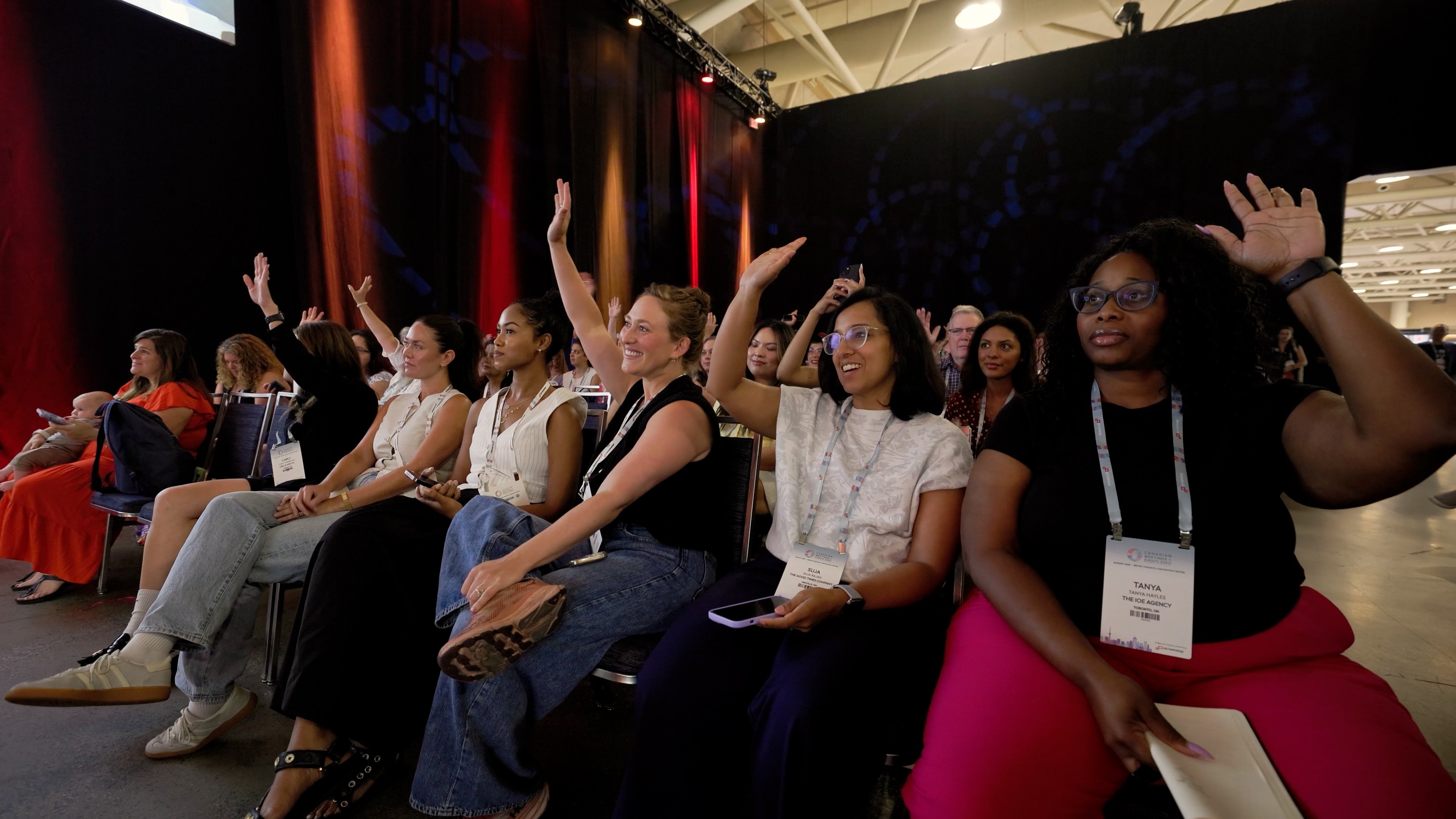
These brand activations are immersive spaces that communicate brand values and personality without focusing on a specific product. They work best for brand positioning and corporate reputation building. In Toronto's market, this type of brand activation succeeds when the AV elements create genuine interactivity rather than one-way displays:
- Multi-sensory design (visual, audio, spatial) that creates emotional connection
- Thematic zones that represent different brand attributes
- Photo/content creation opportunities throughout
- Minimal sales messaging—focus is on experience
- Real-time interactive elements (not pre-programmed; responsive to participant input) that create a sense of genuine brand dialogue
Demonstration and Trial Centers
For B2B or software products, these activations focus on functional capability:
- Live product demonstrations on display systems
- Interactive tutorials where visitors can try the product themselves
- Expert staff available for technical questions
- Lead capture integrated into the experience flow
Experiential Installations
These are typically longer-running activations (weeks or months) that create ongoing discovery and word-of-mouth:
- Visitor repeat rates are high (people return to experience different aspects)
- Content and messaging can be updated dynamically (LED and projection systems enable this)
- Seasonal variations keep the experience fresh
- Community and cultural integration creates local relevance
Hybrid and Virtual Extensions
For brand activations with distributed audiences or extended reach, hybrid components extend the impact of your activation:
- Live streaming of key activation moments to remote audiences
- Interactive online components (mobile app features, website integration)
- Virtual showrooms or 3D environments accessible post-activation
You can explore Hybrid and Virtual Events services to understand how virtual production can extend the reach of physical brand activations.
Related reading Design and Creative Services
The ROI Framework: From AV Investment to Business Outcomes
A brand activation Toronto that doesn't connect to business outcomes is art, not strategy. The most successful brand activations we've executed explicitly tie AV production choices to measurable results.
The most sophisticated brand activation approaches integrate all these elements—strategic planning, technology selection, measurement infrastructure, and creative execution—into a cohesive experience.
This means:
- Define success before design: What are the actual business metrics? (Leads, trial signups, social reach, website traffic, sales lift). Not engagement for engagement's sake.
- AV as conversion tool: Every AV element should support the conversion path. Interactive displays that don't capture data are wasted investment. Projection mapping that doesn't reinforce the product message is wasted budget.
- Real-time optimization: For longer activations (week-long or longer), monitor data in real-time and adjust the experience. If one zone is underperforming, modify the AV content or interactivity to improve results.
- Post-activation amplification: The activation ends, but the AV-generated content (photos, videos, user-generated content) continues to drive business results through social and digital channels.
FAQ

