



Awards ceremonies are high-stakes productions where everything must work. Unlike a presentation where an equipment failure is a minor inconvenience, an award show where the wrong winner is announced or a presentation moment is missed is a genuine disaster. The technical, logistical, and creative requirements are more complex than most corporate events, and the margin for error is essentially zero.
Professional award show production is its own specialty. It combines elements of theatre (entertainment, performance, pacing), television (multi-camera production, graphics, transitions), and event management (runsheet precision, contingency planning, vendor coordination).
A polished awards ceremony requires the same production depth as gala production Toronto events, with the added complexity of live reveals, nominee packages, and presenter coordination. For organizations producing awards show production Canada-wide, consistency across venues and cities is critical. Your audio visual production company Toronto partner should bring show-calling experience, redundant playback systems, and a crew that understands the pace and pressure of live ceremony production.
Organizations that have produced award shows successfully understand that the production infrastructure is as important as the creative content. At bb Blanc, we treat every award show with the precision of a live television broadcast because the stakes are equally high—every moment must execute flawlessly.
This guide covers the complete landscape of award show production from initial strategic planning through post-event execution. We'll walk through the technical, creative, and logistical elements that separate polished award ceremonies from ones that feel chaotic or unprepared.
What Makes an Award Show Different from a Gala
An awards ceremony is fundamentally different from a gala or general corporate event, and that difference shapes every production decision.
The core difference: Awards ceremonies are built around a series of discrete moments, each of which must execute flawlessly. A gala might have a keynote address, some dinner, entertainment, and networking. An awards ceremony has 8-15+ award announcements, each with a specific flow: build-up, nominee video or announcement, winner announcement, walk, acceptance speech, maybe performance, transition. Each of these moments is scripted and must hit on cue.
This means:
- Precision timing is non-negotiable. Unlike a gala where some flexibility is fine, awards shows operate on a strict minute-by-minute runsheet. Delays cascade.
- Every technical element must be flawless. A missed video cue, a teleprompter failure, a stage light malfunction—these aren't minor issues, they're visible failures.
- Emotional high points must be managed carefully. The announcement of a major award, a surprise winner, an emotional acceptance speech—these moments are the point of the entire event. Production choices affect how impactful these moments are.
- Multiple moving parts must coordinate smoothly. AV playback, lighting cues, music cues, camera switching, graphics—all happening in precise sequence.
This is not a production you can improvise on the fly. It requires meticulous planning, rehearsal, and contingency preparation.
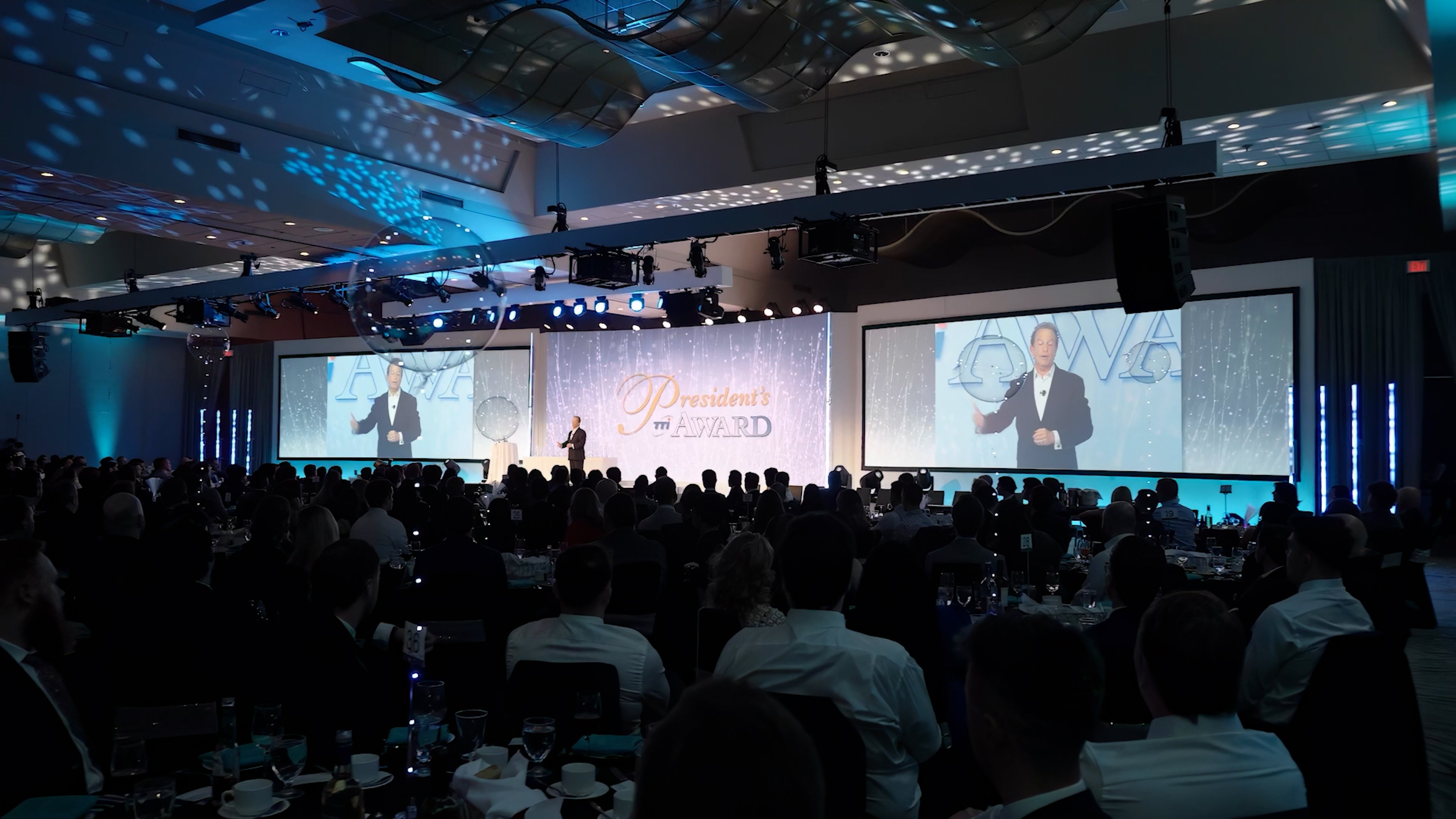
For Toronto-based organizations, award show production means coordinating across multiple venues and vendor networks. Toronto's event production ecosystem is mature and professional, but that also means coordination is essential. A well-executed award show in Toronto demonstrates organizational sophistication; a poorly executed one undermines credibility. The technical infrastructure—the invisible part the audience never consciously notices—determines whether the event succeeds or fails. bb Blanc's award show production services in Toronto ensure that every technical and creative element serves the emotional arc of your ceremony.
Show Flow and Run-of-Show Design for Awards Ceremonies
The foundational document of an awards ceremony is the run-of-show, also called the show flow.
The Run-of-Show Document
This is a minute-by-minute breakdown of every element of the ceremony:
- Timing: Start time, estimated end time, duration of each segment
- Content: What's happening (host remarks, award announcement, video playback, performance)
- Technical cues: What AV and lighting elements are required for each segment
- Speaker/presenter: Who's speaking, what are they saying
- Transitions: How we move from one segment to the next
A typical run-of-show for a 90-minute awards ceremony might look like:
0:00 - 0:03  Opening video montage / Theme music / Stage lights build
0:03 - 0:08  Host opening remarks / Stage lighting set / House lights down
0:08 - 0:10  Transition music / Presenter walks to stage
0:10 - 0:14  Presenter introduces first award / Graphic slate for award
0:14 - 0:18  Nominee video package plays / Audience IMAG visible
0:18 - 0:21  Presenter reads nominees / Dramatic pause
0:21 - 0:22  Envelope open / Winner announcement / Walk-up music swells
0:22 - 0:27  Winner walks to stage / Emotional music continues
0:27 - 0:28  Stage lighting highlights winner / Award presentation
0:28 - 0:35  Winner acceptance speech / Confidence monitors visible
0:35 - 0:37  Applause and exit music
0:37 - 0:39  Transition to next segment
...
Every moment is accounted for. The run-of-show is the master document that coordinates all moving parts.
Strategic Pacing Decisions
The overall shape of the show matters enormously:
- Opening impact: The first 5-10 minutes establish the tone. Strong opening (video, music, high-energy host) creates engagement; weak opening struggles to regain audience attention.
- Award sequencing: The order of awards affects pacing. Starting with major awards means the audience is most engaged at the beginning; ending with a major award can leave the audience wanting more. Some producers alternate major and minor awards to sustain engagement throughout.
- Segment breaks: Is the show non-stop awards, or are there breaks with entertainment, speeches, or other content? Breaks give the audience a mental reset and can provide emotional variety.
- Closing moments: The final 10 minutes should feel climactic, not anticlimactic. The major lifetime achievement award or surprise performance typically closes the show, not a minor category.
The best award shows feel like they're building toward something—momentum that carries the audience through the entire duration.
Technical Precision Points
Certain moments in the run-of-show are more technically demanding than others:
- Video playback sync: Nominee videos must be synced with presenter pacing. If the video plays before the presenter finishes the intro, the transition feels jarring. This requires tight script discipline.
- Envelope moment precision: The moment the winner is announced is the highest-stakes technical moment. Lighting must highlight the winner, music must swell, graphics must update. All simultaneously.
- Audio/music transitions: Music is the emotional driver of award shows. Transitions between segments must feel musical, not abrupt.
- Slide/graphic updates: Real-time graphics (lower-thirds with presenter names, award titles, graphics updates) must be synchronized with live action.
These precision points should be called out explicitly in the run-of-show.
AV Requirements: Walk-Up Music, Video Packages, and Podium Setup
Award shows require specific AV infrastructure that's different from a typical presentation or keynote.
Music and Audio System
Audio is the emotional foundation of an awards show:
- Walk-up music: As winners walk from their seats to the stage, upbeat music plays. This creates energy and hides any awkward silence. Walk-up music is pre-recorded, not live, and must be pre-loaded and cued with frame-perfect timing.
- Transition music: Between awards and segments, music fills time and maintains energy. This is typically 30-60 seconds of instrumental content.
- Emotional music beds: Under acceptance speeches, soft music underscores the moment. This is mixed at low level, not meant to be prominent.
- Celebration/exit music: As the winner leaves the stage, upbeat music plays. This transitions to the next award.
The audio mixing is done in real-time by a dedicated audio engineer. They're mixing:
- Host microphone audio (needs to be crystal clear)
- Presenter microphones (each award presenter needs a mic)
- Acceptance speech audio (needs to be balanced—speaker is close to mic, needs consistent levels)
- Video audio (some videos have dialogue/music)
- Music tracks (walk-up music, transition music, emotional beds, exit music)
A single audio engineer manages all of these sources live, which requires preparation and cueing information.
Nominee and Winner Video Packages
Most awards ceremonies include short videos for nominees:
- Format: Typically 45-90 seconds each
- Content: Highlight reel, testimonials, nomination context, emotion-building material
- Placement: Usually plays after the presenter introduces the award, before nominees are read
- Production: Professional video production (not just screen captures or slides)
These videos are critical to the emotional impact of the award. A well-produced nominee video makes the audience invested in the outcome. A poorly produced one diminishes the moment.
Video assets must be: - Pre-produced (no last-minute changes possible) - Delivered in correct format and resolution - Tested in the actual media server and display system - Cued and ready to play on precise timing
Podium Setup and Presenter Support
The podium is the anchor point of the stage:
- Teleprompter mounted on or near podium (covered later in detail)
- Multiple microphones: Primary podium microphone, backup microphone, wireless microphone for presenter movement
- Confidence monitor: Shows host/presenter what the audience is seeing (helpful for presenters who don't know where to look)
- Lighting: The presenter must be well-lit; the audience must see the winner's face clearly
- Sightlines: The presenter must be able to see the envelope they're opening, see the teleprompter, and see the audience
Professional award shows don't rely on unprepared presenters. Even experienced speakers benefit from clear sight lines and confidence monitors.
Technical Control and Cueing System
Behind the scenes, complex technical coordination happens:
- Technical Director (TD): Calls all technical cues (music, video playback, lighting cues, camera switching). Works off the run-of-show, calling cues based on actual real-time events on stage.
- Graphics operator: Updates on-screen graphics (award titles, presenter names, lower-thirds) in real-time based on cues from the TD.
- Camera operators: Follow action on stage, responding to direction from the TD.
- Audio engineer: Manages all audio sources and mixing.
These people communicate via coms system (headsets and microphones) so everyone is synchronized. This infrastructure is essential for award shows.
Teleprompter and Confidence Monitor Configuration
The teleprompter is the most visible piece of AV infrastructure in award shows, and its setup matters enormously.
Teleprompter Placement and Design
Where the teleprompter is positioned affects presenter eyeline and audience perception:
- Standard teleprompter placement: Glass panels mounted on the podium front, at eye level, 2-3 feet away. When the presenter looks at the teleprompter, the audience sees them looking approximately at the audience.
- Confidence monitor teleprompter: A monitor mounted below the podium, visible only to the presenter. Presenter can look down at the monitor without the audience knowing they're reading. Less obvious than traditional teleprompter, but eyeline is downward.
- Side-mounted teleprompter: Positioned to the side of the stage, useful if the presenter is moving or if direct eye contact with the audience is important. Requires more subtle presenter eye movement.
The best teleprompter is invisible—the audience never thinks about the fact that the presenter is reading. This requires proper placement and proper presenter technique.
Confidence Monitor Setup
In addition to the teleprompter, most presenters benefit from at least one confidence monitor:
- Confidence monitor shows: The video that the audience is seeing (nominee video, graphics, etc.), so the presenter knows what's being displayed
- Typical positioning: Upstage (behind or beside the podium), visible to the presenter but not to the audience
- Content: Video output from the media server or graphics system, showing exactly what the audience sees
- Size and brightness: Large enough for presenter to see from 6-10 feet away, bright enough to read in stage lighting
Some award shows include multiple confidence monitors (stage left, stage right) so multiple presenters can each see the same content.
Presenter Script Preparation
The effectiveness of the teleprompter depends on script quality:
- Script clarity: Font size 18-24pt minimum (larger than normal printed text), single-spaced, easy to read quickly
- Script formatting: Presenter names capitalized, emphasis points in bold, pause directions included
- Timing marks: Script should indicate approximate durations ("pause 2 seconds for applause," "quick read, 15 seconds")
- Backup copies: Physical printed scripts as backup if the teleprompter fails
Good scripts are written for speaking, not reading. Short sentences, clear emphasis, conversational tone. A script written for reading sounds stiff and formal.
Technical Failure Contingency
Teleprompter failures happen:
- Backup teleprompter: Some award shows use a second teleprompter as true backup, fed from a different media server
- Printed script backup: Every presenter should have a printed script available
- Confidence monitor backup: If the confidence monitor fails, the presenter should have a monitor available as quick replacement
We once had a teleprompter system fail 30 minutes before a ceremony. Because we had a printed script and a backup monitor, the presenter was able to continue without the audience noticing. Contingency planning prevents disasters.
Live Camera Switching and IMAG for Award Presentations
Image magnification (IMAG) and live switching create the visual narrative of the award show. For award show production Toronto, IMAG is more than a nice feature—it's essential to the event experience, especially in larger venues where sightlines to the stage are limited.
IMAG System Purpose and Components
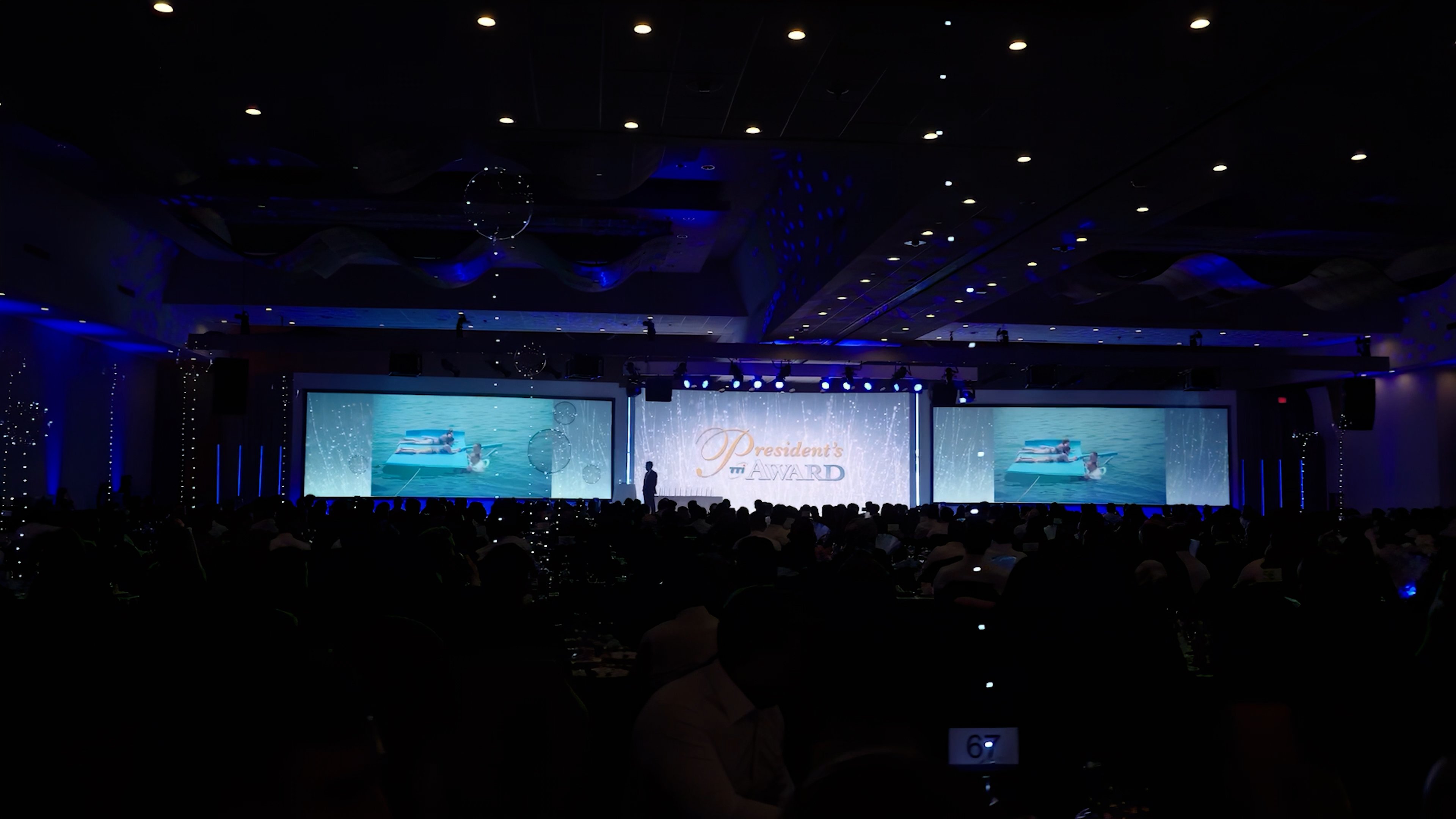
IMAG means projecting the stage action onto large screens visible to the audience. This transforms the emotional experience of the award show:
- Audience engagement: Audience member in the back row can't see the presenter's face clearly; IMAG magnifies the presenter and winner, making the emotional moment vivid and clear
- Video packages enhanced: Nominee videos are larger and more visible on projection than they would be watching from side angles or from far distances
- Real-time graphics visibility: Award titles, names, winner information, graphics are displayed on screens for full visibility across the entire venue
- Emotional reinforcement and amplification: The IMAG image of a winner's face, their reaction, or an emotional acceptance speech is often more impactful than watching the small figure on stage from 50+ feet away
- Production value perception: Proper IMAG makes the production feel polished and professional; poor IMAG (low quality, out-of-sync with live action, missing moments) undermines the entire production
Components of a professional IMAG system:
- Multiple cameras: Typically 3-5 cameras positioned to capture different angles (wide shot of full stage, medium shot of presenter, tight shot of face, crowd reaction shots if applicable, safety angle)
- Professional camera equipment: ENG (Electronic News Gathering) cameras or cinema cameras with professional lenses, not consumer equipment
- Camera switching/mixing: A dedicated technical director switches between camera feeds in real-time based on stage action and director cues
- Projection system: High-brightness projectors (3,000-5,000 lumens needed if the room has significant ambient light), large screens (12' x 18' or larger for venues with 200+ people)
- Backup systems and redundancy: Redundant camera feeds, backup switching capability, and secondary projection systems so if one camera fails or a projector has an issue, others continue without visible interruption
Camera Switching Choreography
The technical director calls a sequence of camera shots throughout the show:
- Wide shot: Establishing shot at the start of an award segment
- Presenter shot: Focus on the presenter introducing the award
- Video playback: Switch to different input (video server) for nominee videos
- Audience reaction shot: If using audience cameras, reaction shots create emotional engagement
- Award envelope moment: Tight shot on the envelope as it opens
- Winner shot: Tight shot on the winner as announced
- Walk-up: Wide shot as winner walks to stage, then tight on face as they approach
- Acceptance speech: Balanced shot on the speaker (not so tight that you miss reactions, not so wide that facial expressions are lost)
- Exit shot: Wider shot as winner exits
This sequence repeats for each award. The camera switching creates a narrative rhythm that guides audience attention.
Live Switching Workflow and Technical Direction
Live switching is choreographed in advance but requires real-time judgment:
- Scene planning: For each award, the TD plans which camera shots to use and when to switch. This is documented in the director's runsheet.
- Director's notes and cue sheets:The director (usually the producer) writes detailed camera switching sequences with specific timing and trigger points
- Rehearsal and tech check: The TD rehearses switching sequences before the live event, often multiple times. This rehearsal reveals timing issues and opportunities for improved visual narrative.
- Real-time adjustment: During the live event, the TD adjusts timing based on actual pace. If a presenter speaks slower than expected, the TD holds on the presenter shot longer. If an emotional moment develops, the TD can shift to a tighter shot to capture the reaction.
- Communication infrastructure: The TD communicates with the director via headset, receiving real-time input on switching decisions and pacing adjustments
The challenge is that live events don't always follow planned timing. A presenter might pause longer than expected, an emotional moment might require extending a camera shot, or technical issues might require quick pivots. The TD needs to be experienced enough to adjust in real-time while maintaining the overall narrative flow and visual impact.
For award show production in Toronto, choosing a skilled technical director is one of the most important decisions. An experienced TD working in Toronto venues understands the specific sight line challenges (Toronto ballroom configurations, typical audience distances, common projection angles) and can optimize camera work for each unique venue. bb Blanc's award show production team brings years of Toronto-specific venue experience to ensure flawless execution in your venue.
Entertainment and Transition Segments
Awards ceremonies without any breaks can feel relentless. Strategic use of entertainment and transition segments create pacing variety and maintain engagement.
Opening and Closing Numbers:
Many award shows include significant entertainment at opening and closing:
- Opening musical number: Sets the tone, establishes energy, visually welcomes the audience
- Closing musical number or performance: Sends the audience home on an emotional high
- Celebrity performances: Some organizations feature known performers (musicians, comedy acts, dancers)
These segments are typically pre-planned (even if they feel spontaneous) and require: - Rehearsal with production crew - Proper lighting and audio setup - Clear hand-offs from entertainment to awards - Integration with overall show pacing
Transition Entertainment and Pacing Breaks
Between award segments, short entertainment or content breaks maintain engagement:
- Comedy bits: A comedy actor or host does a 2-3 minute bit between awards. Breaks tension and provides pacing variety.
- Video montages: A 1-2 minute video celebrating company culture or the upcoming award
- Live demonstrations: A live demo or showcase that's visually interesting
- Dance or music performance: A quick musical interlude (20-45 seconds)
Transitions should serve a purpose. They're not just filler; they're opportunities to reinforce messaging, entertain, or provide pacing variety.
Managing Energy Levels
The producer must think strategically about energy:
- Energy peaks and valleys: Awards of higher emotional significance should create peaks (major award, emotional winner). Transition entertainment can be used to sustain energy or provide a moment of calm.
- Audience attention span:After 30-45 minutes of award announcements, audience attention starts to flag. A strategic break with entertainment resets attention.
- Build to climax: The final awards should feel like the ceremony is building toward something, not winding down.
The best award shows are choreographed like a piece of music—opening, rising action, climactic moments, and satisfying resolution.
Nominee and Winner Content Production
The video content around awards is what makes moments memorable.
Nominee Video Production
These are short form (45-90 second) videos that introduce nominees and build emotional investment:
- Testimonials: People talking about why the nominee deserves the award
- Highlight reel:Selected moments, accomplishments, or achievements of the nominee
- Personal context:Brief personal information humanizing the nominee
- Emotional arc:The best nominee videos tell a story with a beginning, middle, and end
Production requirements:
- Professional filming: Shot on real cameras, not just screen recordings or slides
- Professional editing: Color-graded, proper pacing, quality audio
- Lower-third graphics: Nominee name and role clearly displayed
- Consistent branding: All nominee videos feel like they're part of the same show (similar color grade, similar music, similar editing style)
Nominee videos are the most watched content in an award show. Investment in quality nominee video production pays dividends in audience engagement.
Winner Announcement Graphics
Real-time graphics package updates when the winner is announced:
- Award title card: The name of the award displayed clearly
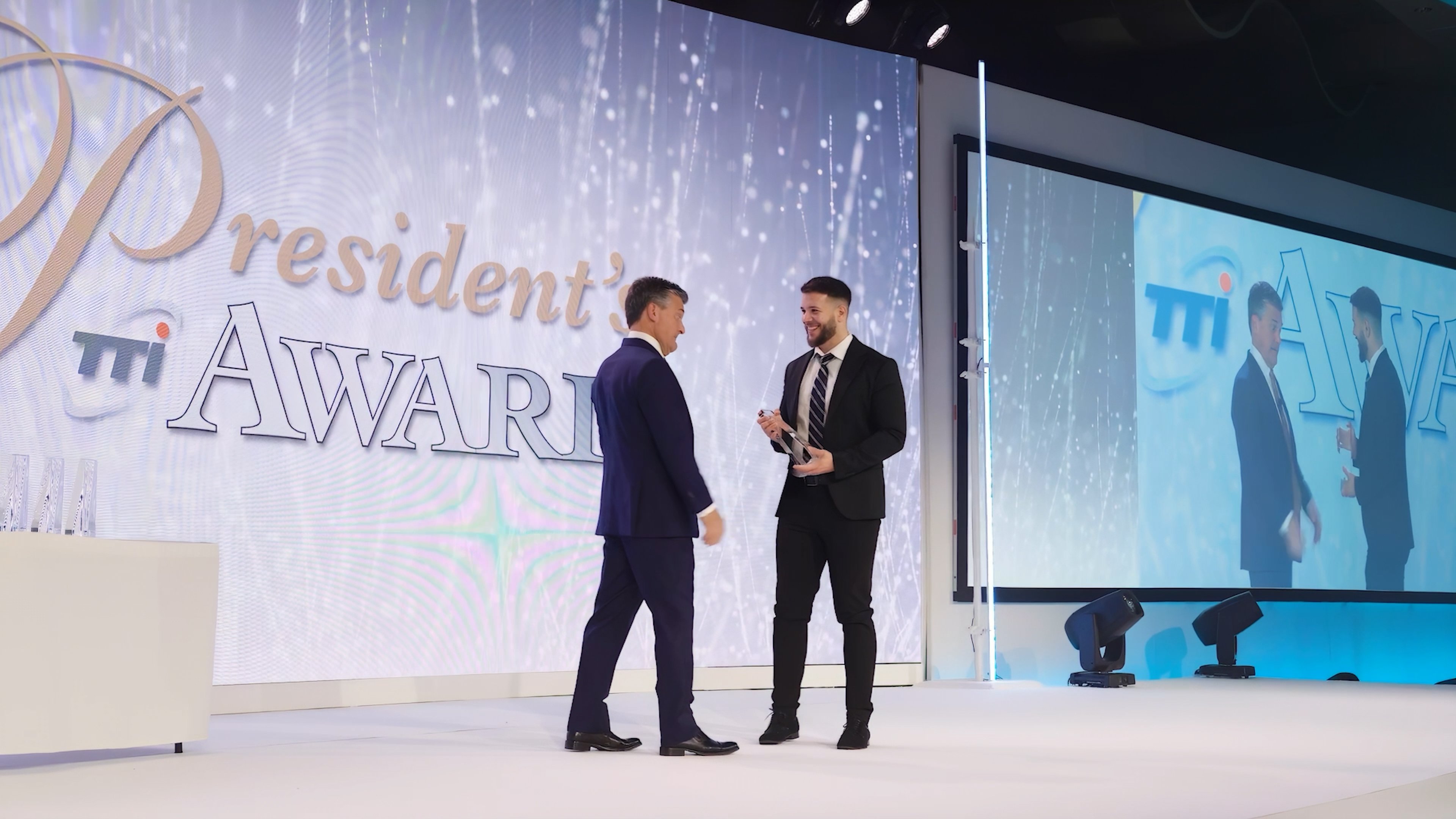
- Winner name lower-third: Immediately upon announcement, the winner's name appears on-screen
- Winner photo: Large photo of the winner, ideally smiling, professional headshot
- Winner role/title: What their role is in the organization
- Animation: Transition animations that feel integrated with the show's design
Graphics should update in real-time or near-real-time based on the actual announcement. This requires a skilled graphics operator taking cues from the technical director.
Winner Content Post-Event
After the event, winner content becomes marketing asset:
- Winner highlight reel:Edit of the nominee video and acceptance speech clips into a 30-60 second "winner moment" video
- Social media content:Quotes, photos, and short clips of winners for social media posts
- Press materialsHigh-resolution winner photos and bios for press releases
- Website integration:Updated website or announcement of award winners
Award winners want to share and celebrate their win. Making it easy to share increases the ripple effect of the award.
For complete award show production services in Toronto, explore Audiovisual Production and Event Types.
Related reading: Creative Stage Decoration Ideas for Corporate Events with Cutting-Edge AV Solutions
Related reading: Event Production Company Toronto: How to Choose a Partner
Related reading: The Future is Live: Key Trends in AV Event Production from InfoComm 2025
Technical Contingency and Risk Management for Award Shows
An award show where something goes wrong is not a small problem. It's a visible failure that undermines the entire event. Professional award show production Toronto requires extensive contingency planning.
Professional risk management for award shows includes:
- Equipment redundancy:Backup teleprompters, backup cameras, backup projection systems, backup audio systems. For critical elements, we spec two independent systems not sharing common components.
- Contingency talent:A backup host on standby in case the primary host has an emergency.
- Contingency timings:If a technical issue requires restarting, we have a pre-planned shortened version of the show that hits the essential awards without extending the total time.
- Contingency for absent winners:Winners don't show up sometimes. We have video messages from absent winners, designees who can accept on their behalf, or graceful fallback announcements.
- Communication protocols:If something goes wrong, everyone on the production team knows the protocol—who makes the call, how adjustments are communicated, how to keep the show moving without the audience noticing.
The best award show productions are the ones where no visible problems occur, but that's achieved through extensive invisible preparation, not luck.
FAQ

